When a roofing problem appears, one of the first questions homeowners ask is whether the roof should be repaired or completely replaced. The answer depends on several factors, including the extent of the damage, the age and condition of the roof, the type of roofing material, and whether problems are isolated or widespread.
Choosing between roof repair and roof replacement should not be based on appearance alone. A professional roof inspection can help identify the condition of the roofing system and determine which approach may be appropriate for the property.
When Roof Repair May Be Appropriate
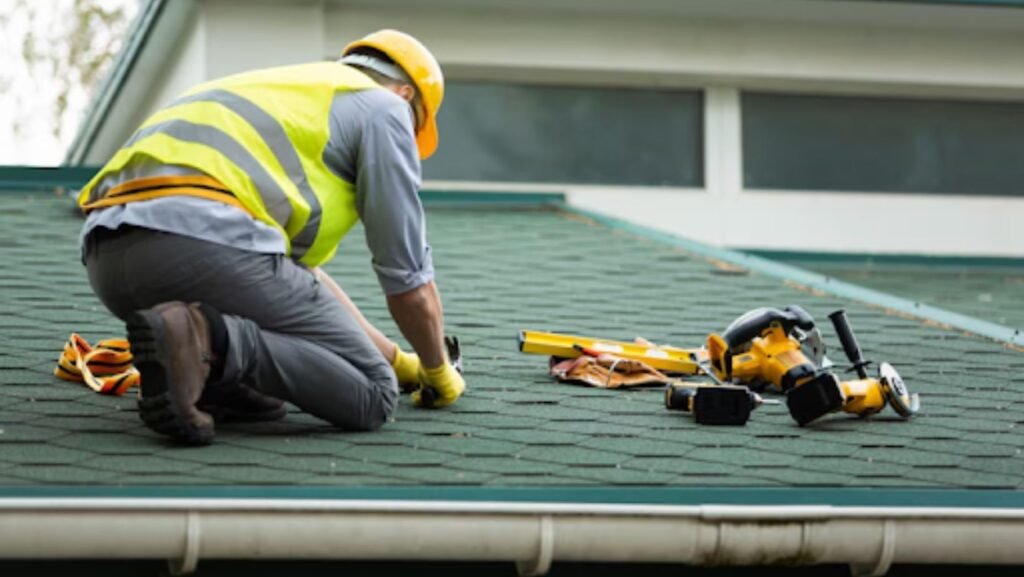
Roof repair may be considered when damage is limited to a specific area and the rest of the roofing system remains in good condition.
Examples of issues that may be repairable include:
- A small roof leak
- A few damaged or missing shingles
- Localized flashing damage
- Minor damage around vents or other roof penetrations
- Limited storm damage
- Small areas of damaged roofing materials
A targeted repair can address the affected area without replacing the entire roof. However, the overall condition of the roofing system should be evaluated before deciding that a repair is sufficient.
When Roof Replacement May Be Necessary
Roof replacement becomes more likely when damage is extensive or the roofing system is approaching the end of its useful service life.
Signs that replacement may need to be considered include:
- Widespread roofing damage
- Repeated leaks in different areas
- Extensive shingle deterioration
- Significant storm damage
- Sagging sections
- Persistent moisture problems
- An aging roofing system
- Previous repairs that are no longer resolving the problem
In these situations, repeatedly repairing individual problems may not address the overall condition of the roof.
Consider the Age of the Roof
Roof age is an important factor when deciding between repair and replacement. Roofing materials have different expected service lives, and an older roof may have more widespread deterioration even when visible damage appears limited.
For example, repairing one leak on an older roof may resolve the immediate problem, but other components could already be showing signs of age.
Age alone does not automatically mean a roof needs to be replaced. A professional inspection can help determine whether the existing materials remain in suitable condition for continued service.
Evaluate the Extent of the Damage
The size and distribution of the damage can make a significant difference.
If a storm damages a small section of an otherwise well-maintained roof, a repair may be practical. If the storm affects a large portion of the roofing system, replacement may need to be considered.
The same principle applies to leaks. One isolated leak does not necessarily mean the entire roof needs replacement, while multiple recurring leaks may indicate a broader roofing problem.
Look Beyond the Visible Damage
Some roofing problems are not immediately visible from the ground. Water can travel beneath roofing materials and affect decking, insulation, ceilings, and other parts of the home.
A professional roof inspection can help identify problems that may not be apparent during a basic visual check. This is particularly important after severe weather or when a leak continues to return despite previous repairs.
Understanding the full extent of the damage can help ensure that repairs address the underlying problem rather than only the visible symptom.
Consider Previous Roof Repairs
The repair history of a roof can also influence the decision. Occasional repairs are normal for many roofing systems, but repeated repairs in multiple areas may indicate broader deterioration.
If the same area continues to leak after being repaired, the underlying cause may not have been fully addressed. Multiple repairs over time can also become increasingly expensive if the roof continues to deteriorate.
A roofing professional can evaluate previous repairs along with the current condition of the roof.
Roof Repair vs. Replacement After Storm Damage
Storms can cause different types of roofing damage, including missing shingles, punctures, damaged flashing, broken roofing materials, and water intrusion.
After a major storm, avoid climbing onto the roof yourself. From the ground, look for obvious signs such as missing materials, visible debris, or sections that appear different from the rest of the roof.
A professional inspection can determine whether the damage is localized or widespread and whether repair or replacement should be considered.
How Water Damage Can Affect the Decision
A roof leak does not always mean the roof needs to be replaced. However, the longer water enters the roofing system, the greater the potential for additional damage.
Moisture can affect roofing materials and underlying components. If water intrusion has caused significant deterioration, simply repairing the exterior may not be enough.
Addressing leaks promptly can help limit additional damage and provide more options for resolving the problem.
Cost Is Only One Factor
Cost naturally plays a role in any roofing decision, but the lowest immediate expense may not always address the long-term condition of the roofing system.
A repair may cost less initially, but repeated repairs can add up if the roof continues to deteriorate. On the other hand, replacing a roof that could reasonably be repaired may involve unnecessary work.
Homeowners should consider the current condition of the roof, expected remaining service life, repair history, and future maintenance needs when evaluating their options.
Questions to Ask Before Choosing Repair or Replacement
Before making a decision, ask your roofing contractor:
- What caused the current problem?
- How extensive is the damage?
- Is the damage isolated or widespread?
- How old is the roof?
- What condition are the underlying materials in?
- How long could a repair reasonably address the current issue?
- Are other areas showing signs of deterioration?
- What would be involved in a complete replacement?
- Are there signs of previous repair failure?
Clear answers to these questions can help you understand the condition of your roof instead of making a decision based solely on the visible problem.
Why Professional Roof Inspections Matter
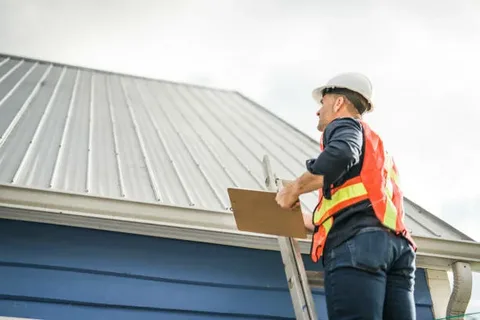
Determining whether a roof needs repair or replacement requires more than looking at a damaged shingle or visible leak. Roofing professionals can evaluate the condition of roofing materials, identify potential underlying problems, and explain the available options.
A professional inspection can also help homeowners prioritize urgent concerns and understand whether a localized repair is likely to address the problem.
Why Choose Hawk Roofing and Restorations?
Hawk Roofing and Restorations helps homeowners and property owners address roofing concerns with a focus on understanding the condition of the roof before determining the appropriate work. Our team can evaluate leaks, storm damage, deterioration, and other roofing issues to help identify areas that require attention.
We understand that every roofing situation is different. By considering the extent of the damage and the condition of the existing roofing system, Hawk Roofing and Restorations can help customers understand their options and plan the next steps for their property.
Making the Right Roofing Decision
There is no single approach that is appropriate for every roofing problem. A localized issue on a roof that is otherwise in good condition may be suitable for repair, while widespread deterioration, recurring problems, or an aging roofing system may require consideration of a full replacement.
The best place to start is with a professional roof inspection. Understanding the cause, extent, and condition of the damage can help you choose an approach that addresses the problem rather than simply treating the most visible symptom.
If your roof has been damaged or is showing signs of deterioration, addressing the issue promptly can help protect your home and prevent minor roofing problems from becoming more extensive.